

Duyukta (ᏚᏳᎪᏛ / Duyuk'dv'i) reflects a Cherokee understanding of balance, harmony, and living in right relationship — within oneself, with others, and with life as a whole.
At the heart of this work is a simple truth:
The body is not broken.
It does not need to be forced or fixed.
The Key
Unburden the body.
Build on what is already strong
This work begins with the understanding that the body and nervous system are always adapting to experience — emotional, relational, environmental, and intergenerational — in order to survive, protect, and continue.
Over time, these adaptations can become familiar patterns that may feel limiting, uncomfortable, or out of step with who you are now, even if they once served an important purpose.
Rather than focusing on analysis alone, this approach pays attention to lived, embodied experience. By slowing down and prioritizing presence, the body is given more room to settle, orient, and reorganize without pressure.

A Complementary Supportive Approach
This work is offered as a complementary, supportive practice that may stand on its own or sit alongside medical care, mental health support, and other body-based approaches.
When held collaboratively with physicians, therapists, and other practitioners, it can support a more integrated and client-centered experience.
Guided by ISST Body Coaching and Duyukta philosophy, sessions emphasize gentle support, shared awareness, and respect for the body’s timing — allowing balance, steadiness, and coherence to emerge without force.

The Body Remembers
Body and mind are in constant relationship. Sensation, emotion, thought, and physiology all influence one another.
Long before we can make sense of an experience intellectually, the body is already responding — adjusting breath, muscle tone, attention, and protective patterns in ways meant to preserve safety and continuity.
When support, safety, or connection are limited — whether early in life or during later overwhelming experiences — the body may organize itself around those conditions.
These responses are not flaws. They are intelligent adaptations.
But even when circumstances change, older patterns can remain active beneath conscious awareness. This may show up as:
tension in the body
emotional reactivity
cycles of overwhelm
shutdown
people-pleasing
a persistent sense of feeling stuck, even without a clear reason why
Many people have already reflected deeply, processed their history, or tried to work through what happened, yet still notice familiar sensations, patterns, or unexplained discomfort.
This does not mean awareness has failed.
It often means the body has not yet had the conditions it needs to reorganize at its own pace.
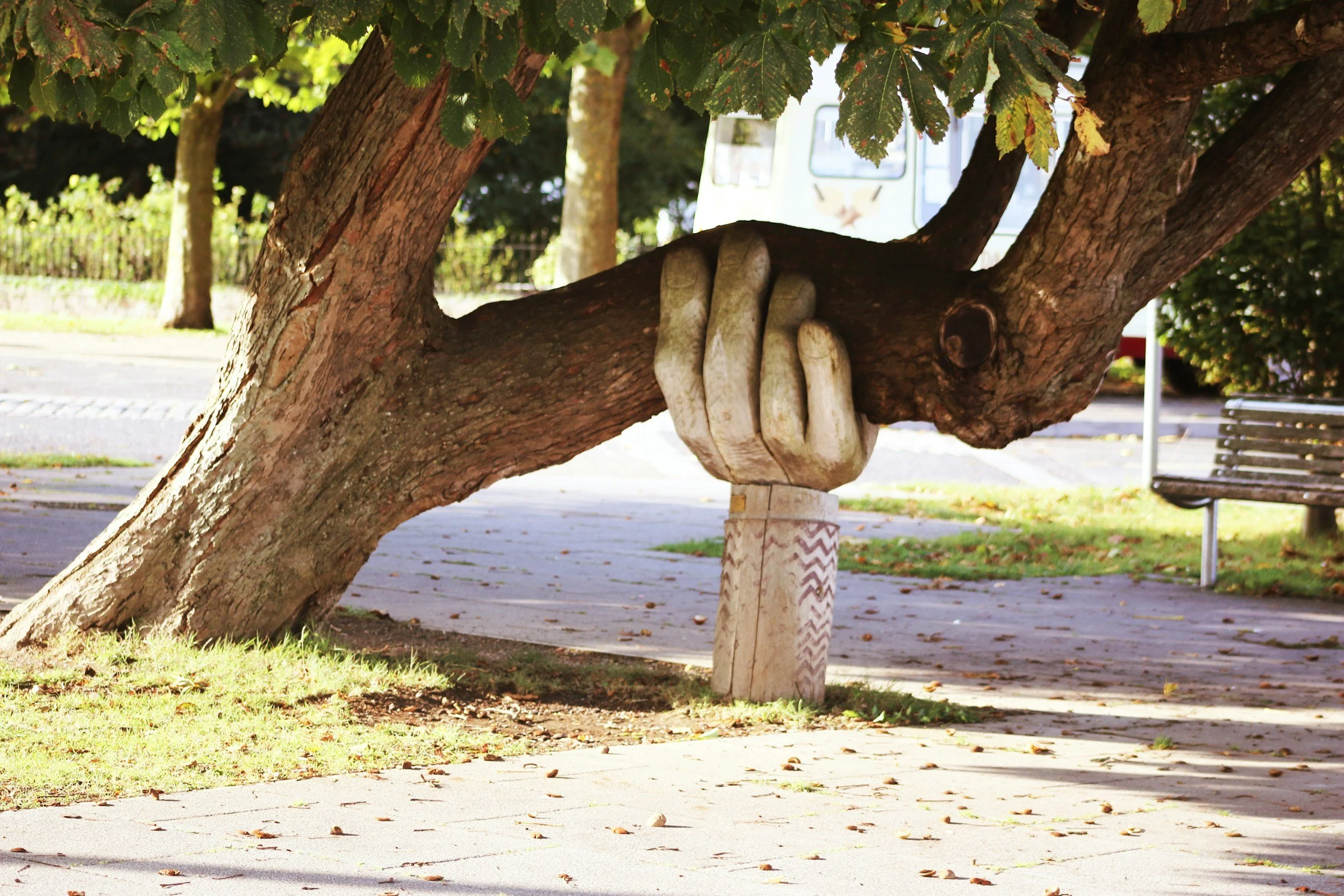
Reorienting, Not Forcing
This work does not aim to uncover one single cause or push for dramatic change.
Instead, it supports the whole person by helping build capacity, restore a greater sense of safety, and create the conditions for patterns that are no longer needed to begin shifting over time.
Through presence, pacing, and respectful attention, the work becomes less about resetting and more about reorienting — toward relationship, safety, adaptability, and sustained coherence.
Healing is not about shrinking yourself to cope.
It is about building more capacity to live.
